

H.E.R.O. – High-performance Environmental Resources Optimization
H.E.R.O. was designed to make manufacturing processes more efficient and sustainable by reducing energy consumption and carbon footprint
Characteristics
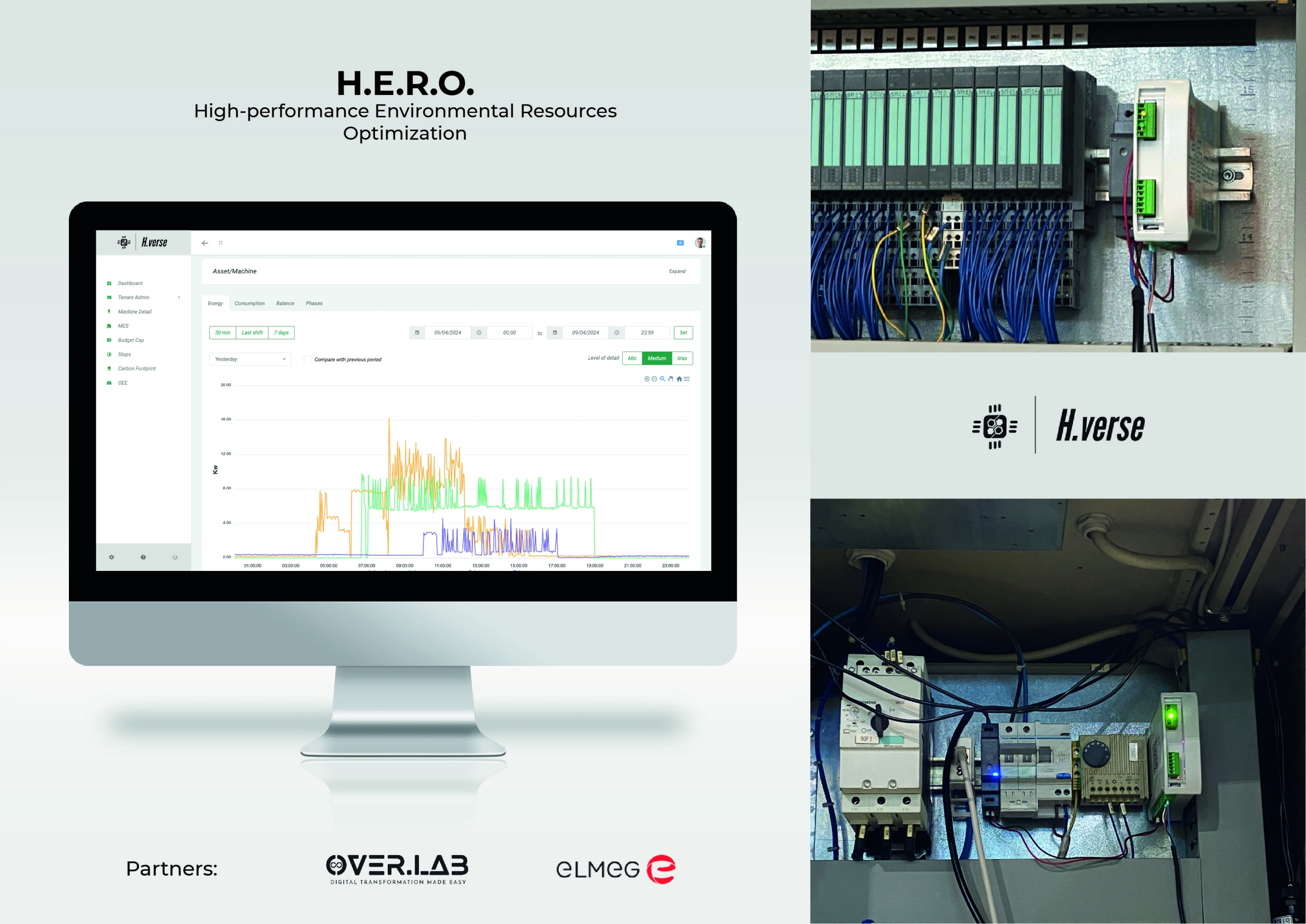
H.E.R.O. was designed to make manufacturing processes more efficient and sustainable by reducing energy consumption and carbon footprint through the integration of digital and environmental technologies under the Twin Transition paradigm.
The IIoT platform, developed by Overlab, was implemented at Elmeg Iberica’s plant in Spain, a manufacturer of plastic components for the automotive industry using blow molding, injection molding, and thermoforming technologies.
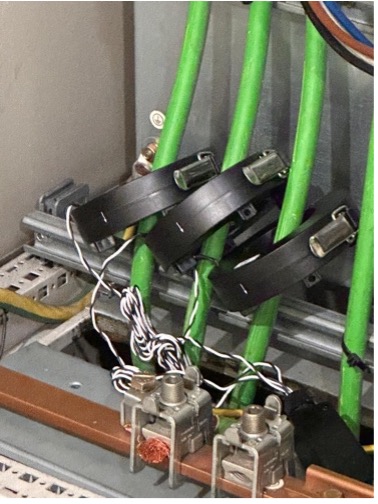
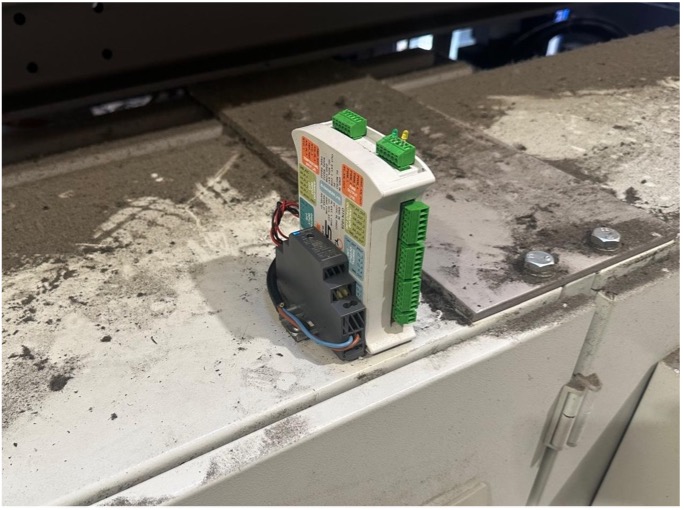
Through the installation of Edge Devices equipped with sensors for energy consumption monitoring, temperature, humidity, noise, and lighting, production data were collected and analyzed in real time using Edge AI algorithms.
The system optimized machine parameters, reducing waste and energy use.
Thanks to H.E.R.O., Elmeg Iberica achieved a 10% reduction in energy consumption and a 1.2% decrease in production waste, proving how digitalization can create tangible environmental and industrial benefits.
Result to be enhanced
This was an application of the Twin Transition to Elmeg’s production processes in order to improve environmental performance and economic margins using digital transition technologies. Environmental performance was measured and calculated based on European standards and the technologies applied are Overlab proprietary.
1. Reduction of Resource Consumption
The adoption of IIoT devices and related sensor technology has enabled real-time monitoring of resources used, such as electricity and raw material, leading to a significant reduction in energy and polyethylene consumption. This has helped to improve product margins and promote more sustainable production practices. Through the project we were also able to combine production and consumption data from the Industrial End User to calculate the Carbon Footprint for each production batch.
2. Monitoring Environmental Variables
The project implemented the monitoring of environmental variables within production facilities, such as temperature, humidity, noise and lighting. This data can be used to improve certain production variables but also working conditions, increasing employee well-being and productivity.
Why is it important?
H.E.R.O. is a tangible example of the Twin Transition applied to a traditional manufacturing sector such as plastic components for the automotive industry.
The project introduced an innovative digital system for energy monitoring and process optimization, achieving a 10% reduction in energy consumption and a 1.2% decrease in production waste.
It made an energy-intensive value chain more sustainable, demonstrating how data can drive environmental improvement and enhance SME competitiveness.
Beyond environmental results, H.E.R.O. also generated a social impact through a training program for Elmeg Iberica’s employees, including five sessions focused on using the platform, understanding sustainability goals, and improving competitiveness through digital innovation.
This approach fostered a shared culture of sustainability, strengthened green and digital skills, and improved overall organizational resilience.
Project and Acronym: H.E.R.O.
Call for appication: DREAM: Digital Resilient Europe for Advance Manufacturing
Innovation Cluster to contact: Mesap
Technologies used: Artifical Intelligence; Big Data and analytics; IIoT; Cloud Computing; System Integration; Cybersecurity
Lead Company: Overlab srl

